

Thank you for Subscribing to Med Tech Business Review Weekly Brief
MedTech Business Review: Specials Magazine
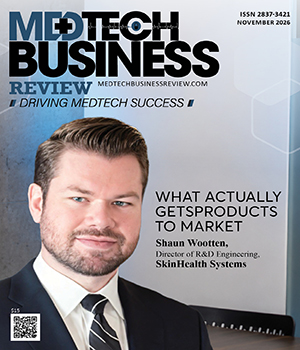
My experience in R&D engineering has shaped my approach by pushing me to look at every project holistically. In a lot of R&D departments, teams tend to be strong in Research OR Development, rarely both. If you focus on development without research, there is a real chance your engineers won't fully understand what they are building, even with the best user needs spelled out for them. On the flip side, if you do research without development, you may miss the engineering constraints that matter and end up chasing the latest published manuscript without asking why it hasn't been commercialized yet. There is usually a reason. Working cross-functionally is also essential to actually getting products to market. R&D can't do it alone. It takes a village of experts, especially in the medtech space. Aesthetics Wellness and AI Are Converging Deeper diagnostics, on-demand feedback, and AI are driving a lot of the conversation right now. The aesthetic consumer is getting smarter and more informed. More providers are becoming influencers, social platforms like TikTok and Instagram Reels are accelerating education, and non-physician providers are increasingly knowledgeable and passing that knowledge directly to their patients. What we are also seeing is a real demand for the blend of aesthetics and wellness. A patient may come in for a facial, receive a GLP-1 injection, and finish with red light therapy, all in one visit. Some providers are expanding into cryo rooms, oxygen chambers, and other advanced wellness offerings to build true full-span anti-aging clinics. When your r&d team understands the market the way your marketing team does, everyone starts speaking the same language. I believe having a firm understanding of the market is what drives smarter engineering tradeoffs and, honestly, what unlocks real creativity in product design. When your R&D team understands the market the way your marketing team does, everyone starts speaking the same language. The collaboratio
Medtech Marketing
Medical technology companies are built around innovation. But creating a better technology and getting the market to adopt it are two very different challenges. Today, commercialization requires more than convincing a physician that a product works. Medtech companies must establish value across an increasingly complex healthcare ecosystem. Clinicians evaluate outcomes and usability. Hospital executives consider economics and operational impact. Value analysis committees scrutinize evidence and cost. Supply chain teams assess standardization. Patients increasingly research and influence their own treatment decisions. Helping companies navigate that complexity is ParkerWhite, a healthcare marketing and branding agency with nearly three decades of experience helping medical technology companies turn innovation into market adoption. Rather than viewing marketing as a downstream function that begins when a product is ready to launch, ParkerWhite approaches it as an integral part of commercialization. “Most of the companies we work with don’t have an innovation problem. They have an adoption problem,” says Keith White, Co- Founder and Chief Growth Officer of ParkerWhite. “The technology may be extraordinary, but the market still needs a compelling reason to change what it is doing today.” That perspective shapes ParkerWhite’s approach. The agency begins by identifying the barriers standing between an innovation and adoption. Through stakeholder research, competitive analysis, physician and executive interviews, buyer development, positioning and messaging architecture, ParkerWhite works to determine not simply what makes a technology different, but why that difference should matter to the people responsible for adopting, recommending, purchasing and using it.

Medical Software & Digital Solutions
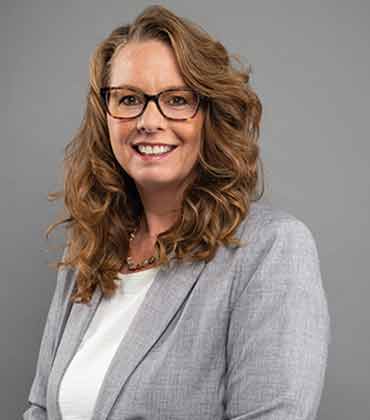
The medical device industry demands rigorous quality management, yet many startups face a difficult balancing act. They must advance product development, manage limited resources, and establish regulatory-ready systems without exhausting early funding. BushmanQC addresses this challenge by providing fractional virtual quality management system support designed specifically for growing medical device companies. Founded by Nellie Bushman, a quality professional with more than 25 years in the medical device industry, the company helps organizations establish compliant quality frameworks while allowing them to focus financial resources on critical design, validation, and testing activities. Instead of forcing early-stage companies into expensive solutions before they are ready, BushmanQC offers a practical approach that aligns quality implementation with business and product development needs. The company’s approach centers on building systems that are usable, adaptable, and sustainable. Quality System Designed Around Startup Realities Many medical device companies begin with an innovative idea, engineering expertise, and a vision for commercialization. However, as development progresses, the need for a structured quality management system becomes unavoidable. BushmanQC enters at this critical stage, providing fractional quality resources that deliver expertise without requiring the cost of a full-time quality department. The company’s virtual model helps startups establish the foundation they need while preserving capital for product advancement. BushmanQC recommends a lean, document-based quality management system hosted on a validated cloud storage (virtual paper system) rather than immediately investing in an expensive electronic quality management system (eQMS). The company believes that early-stage organizations can often achieve stronger outcomes by directing available funding toward design controls, validation efforts, and testing. The company creates secure quality data storage environments using platforms such as SharePoint, Dropbox, Box, or Google Drive, while helping clients validate those systems and maintain compliant records.
Contract Manufacturing Services
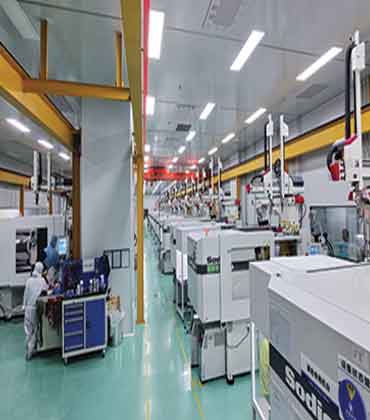
Contract development and manufacturing organizations (CDMOs) play a critical role in helping medical-device companies move from concept to commercial production, bringing together specialized processes, suppliers and manufacturing expertise along the way. Many CDMOs have developed particular strengths across areas such as design support, tooling, injection molding, microfluidic fabrication, assembly or packaging. Relatively few, however, have built enough of these capabilities internally to offer the kind of broad, turnkey manufacturing solution that Hochuen Medical provides. For medical-device companies, this means coordinating multiple capabilities and suppliers as a product moves from early development into commercial production to create additional handoffs and adding complexity to the transition from prototype or pilot production to scaled manufacturing. Hochuen Medical has built its CDMO model around addressing that challenge through vertical integration: bringing a broad range of capabilities together under one roof. The company’s focus is centered on two specialized areas: microfluidics and medical devices. Instead of relying on external partners for individual steps, Hochuen Medical has invested in developing capabilities internally across product development, engineering, tooling, manufacturing, assembly, and other critical production processes. This allows customers to work with a single manufacturing partner throughout development and production, rather than coordinating multiple specialized suppliers.
Refurbished Medical Equipment
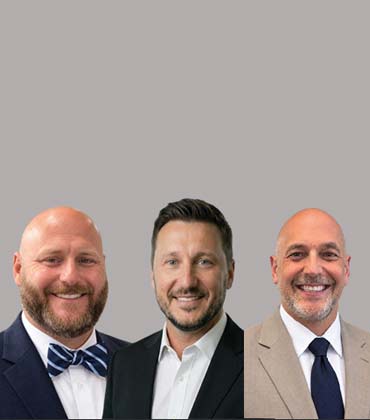
Medical equipment requires more than technical specifications. It must align with the environment that keeps it operational. A system that performs flawlessly in a hospital with 24/7 biomedical engineering support can impose a very different burden on a smaller ambulatory surgery center or specialty practice. Clinical familiarity matters, but so do maintenance demands, tolerance for downtime, available technical resources and the capital needed to keep equipment in service. PCB Medical, recognized as our top refurbished medical equipment service company for 2026, builds its model around that operational reality before narrowing any decision to a product or manufacturer. Working across brands and equipment categories, the U.S.-based medical and dental equipment provider helps facilities preserve the systems clinicians already trust while evaluating the rest of the equipment mix against their operating constraints. Its value lies in knowing what each choice will require once the equipment is in use. An ASC may prefer an anesthesia machine from one manufacturer, patient monitors from another and a pump selected for lower maintenance demands. PCB assembles around those priorities rather than forcing a facility into a single OEM portfolio. Partners Matt Spencer, Dustin Spencer and Timothy Aebly bring experience spanning OEMs, independent distributors and corporate healthcare environments. For the Spencer brothers, that foundation began a generation earlier through their father’s work in the industry, which later led Dustin to found PCB. Years across the medical device landscape taught the partners to look past the initial request and evaluate what clinicians trust, what technical resources a facility has and where alternative options may deliver better long-term performance.
Medical Equipment Manufacturing
Premature ejaculation is a widespread sexual health condition, yet one that remains difficult to discuss. Stigma can make men reluctant to seek help, leaving many to ignore the issue or turn to partial or compromise solutions. During the pandemic, Dr. Arik Shechter, who helped develop the in 2 technology and led its early clinical investigations, worried that patients would avoid participating in a pivotal study conducted in Italy. Yet, participants attended despite the risks surrounding the hospital’s COVID ward. Their determination reflected a significant need he had already seen in his clinical practice—for many men and couples, premature ejaculation was a persistent problem for which they urgently wanted help. Virility Medical’s flagship product is the in2 Smart, an FDA-cleared, non-invasive, safe, drug-free wearable device that uses electrical muscle stimulation to engage the pelvic floor muscles and help men manage premature ejaculation. The reusable device works on demand once the patch is in place and the Smart pod is activated, with disposable pads replaced after each use. “Virility Medical’s story is about bringing advanced and safe technology, clinical evidence and user-friendly experience into an area that has traditionally been difficult for men to discuss and address,” says Sharon Ravid, CEO.

Therapy Devices

For nearly two decades, long before red light therapy became a global industry, Leanne Venier International, an engineer, former submarine designer, Eastern medicine physician, international award-winning artist, and five-time medical award-winning inventor, has been a pioneer in light therapy science. She has taught medical professionals and laypeople about the science behind the healing effects of colour, light, and energy medicine. Today, the strongest validation of those pioneering teachings is not theoretical. It is the results. Once Venier was finally persuaded to create a device, her plan was simple: develop one highly effective, affordable healing and anti-ageing device that does everything, travels easily, treats the entire family (including pets), and can be used while multitasking: the REDjuvenator. Tens of thousands of people worldwide now use REDjuvenator Therapy, with thousands of real-world healing experiences reported by medical doctors, health practitioners, and families. Medical doctors use the REDjuvenator themselves and prescribe it to patients because they see the results firsthand. Its global growth has come through word of mouth, not paid advertising, affiliate marketing, paid testimonials or endorsements, coupon codes, or sales promotions.
Hospital Services
Imagine having a laundry service partner that not only manages a hospital’s linen supply but also helps it use the right amount and spend less. United Hospital Services (UHS) delivers on both priorities for hospitals across Indiana and Illinois, helping them reduce unnecessary linen consumption without compromising patient care. The incentive to prioritize those savings is built into its ownership structure. UHS operates as a cooperative in which member hospital systems are both customers and owners. Executives from member hospitals sit on its board, giving healthcare providers a direct voice in how services respond to changing operational and financial needs. Rather than directing economic benefits to outside shareholders, the cooperative returns value to member hospitals through reliable linen services, cost management and operational support. “We really think that the linen provider should bring more to the table than just clean linen,” says Jason Hartsell, vice president of operations. A hospital can receive clean linen on schedule and still overspend if its teams use, distribute or discard too much linen. Rather than simply processing more laundry, UHS advises member hospitals to reduce excessive usage. Its staff conduct utilization reviews, benchmark consumption against other facilities and identify avoidable loss. Experience across roughly 75 to 80 linen rooms gives UHS insight into distribution methods and where excess usage occurs. When consumption exceeds that of comparable hospitals, UHS works with staff to determine appropriate levels. The objective is to use the correct amount without depriving clinical teams of linen needed for patient care.
Contract Manufacturing Services

Walk into a pathology lab today and you will find highly skilled professionals managing thousands of patient samples through processes that remain surprisingly manual and customized. While every sample carries critical information for diagnosis, the journey from tissue collection to final interpretation depends on a series of precise steps — from preparation and identification to tracking and quality control. Across laboratories, these workflows have evolved differently over time, shaped by local practices, manual processes, and individual expertise. Managing varied tissue types, maintaining accurate identification, and ensuring consistency across each stage remain ongoing challenges. For StatLab, solving this fragmentation is the foundation of its mission: helping laboratories create a more connected, reliable path from specimen collection to diagnosis. Founded in North Texas in 1976, it has grown from a small distribution business into an integrated global manufacturer focused on building a connected pathology workflow.
Top Cleanroom Mat Manufacturer 2026
A cleanroom mat performs the critical function of stopping contaminants at the door. For over two decades, PURUS Internationalhas reinforced this first line of defence through its specialization in cleanroom matting, exemplified today by its flagship EnviroTack Mats. Behind this dependable performance is expertise sustained through long-standing relationships. Distributors that joined Purus early on remain partners today, its manufacturing relationships span decades and many employees have served for more than 20 years. Together, they bring continuity and practical knowledge to every customer requirement.

Medical Device Outsourcing
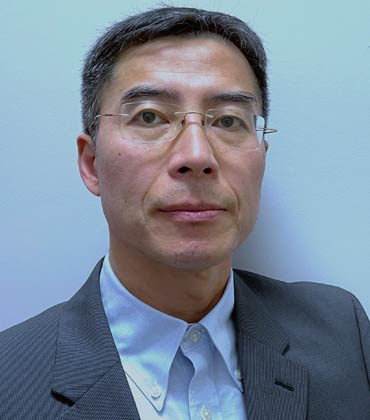
Bridging Production and Automation
Eric Huang, Engineering Manager, Alcon
Packaging and Sterilization

R&D's Leadership Role Within The New Product Development Life Cycle
Dan Dror Siman-Tov, Vice President Research and Development, Diagnostics, Meridian Bioscience
Medical Devices and Equipment Manufacturing

AI as a Bottleneck Breaker: Relieving Expert Scarcity without Lowering the Bar
Jeremy Nichols, Director of Verification and Validation Engineering and Troy Eigner, Vice President of Product Development, Teleflex[NYSE: TFX]
Medical Device Sales
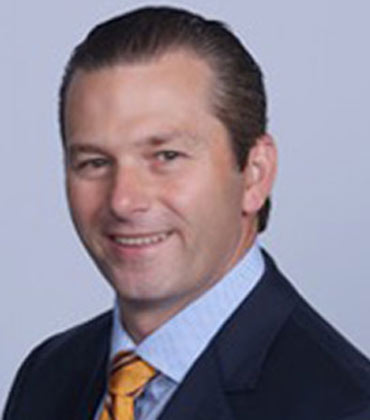
Winning Through Commercial Precision in Medtech
Tony Anzalone, VP of Global Sales and Manufacturing Solutions, Cordis
Medical Device Sales

Strategic Clarity in the Age of Medical Innovation
Paulina Thomas, Marketing Director, Pajunk Medical Systems
IN MY OPINION
Medical Software & Digital Solutions
Bridging Technology and Humanity in Telepharmacy
Matt Maughan, Director of Telepharmacy, Dartmouth-Hitchcock
LAST WORD
Contract Manufacturing Services
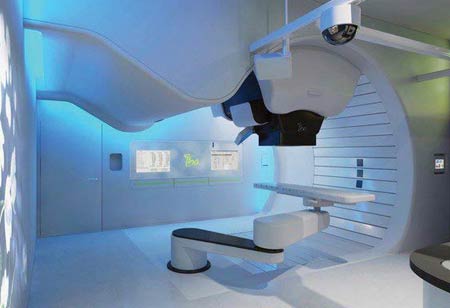
National Proton Center Opens in Collaboration with Childrens National Hospital
Jeffrey Dome, Senior Vice President, Children’s National Hospital
IN FOCUS
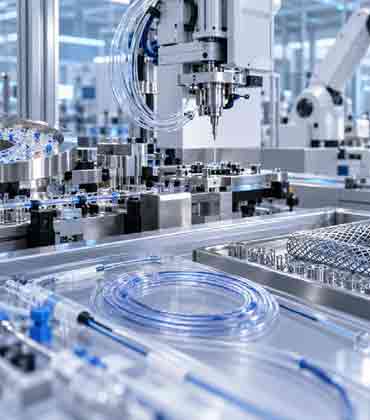
Navigating Complexity in Medical Device Manufacturing with CDMO Expertise
Medical device CDMO services integrate engineering, prototyping, validation, manufacturing and quality systems to support reliable, compliant and scalable device production.
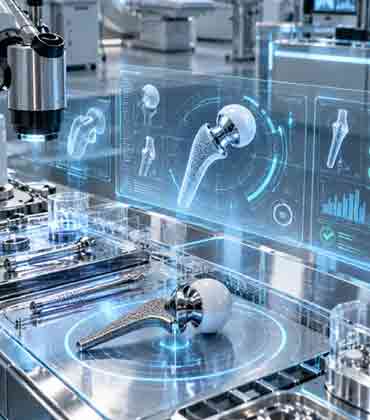
Redefining Medical Device Quality through Virtual Management
Medical device manufacturers are increasingly turning to digital quality workflows to keep product development, documentation and production activities aligned.
EDITORIAL
Driving Medical Technology Forward Through Innovation and Strategic Excellence
In this edition of MedTech Business Review, we look at how medical technology companies are addressing challenges in quality management, commercial strategy, manufacturing and market adoption. With regulatory expectations rising and healthcare needs becoming more complex, companies must balance technical expertise with practical execution and a clear understanding of what customers need.
Featuring BushmanQC, named Medical Device Virtual Quality Management System Company of the Year 2026. Founded by Nellie Bushman, the company helps medical device startups build quality management systems suited to their stage of development. Its phased approach allows businesses to establish documentation processes and prepare for regulatory requirements without hiring a full-time quality team too early. This leaves more resources available for design controls, testing and product development.
We also feature Troy Schurr, Chief Commercial Officer at Foundation Medicine, among the Top 10 Chief Commercial Officers 2026. With experience spanning diagnostics, pharmaceuticals and biotechnology, Schurr focuses on connecting genomic information with the needs of clinicians and patients. His work brings together precision medicine, customer priorities and biopharmaceutical partnerships to support commercial growth.
Hochuen Medical, recognized for Top Medical Device CDMO Services 2026, offers engineering, tooling, microfluidics and manufacturing services. ParkerWhite, named Top Medtech Marketing and Branding Agency 2026, helps medical technology businesses communicate their innovations and build market recognition. PCB Medical, honored as Top Refurbished Medical Equipment Services 2026, provides refurbished equipment and technical guidance based on healthcare facilities’ requirements.
Our contributors examine challenges facing the industry. Paulina Thomas, Marketing Director at Pajunk Medical Systems, discusses balancing creative marketing with regulatory requirements. Anthony Piotrkowski, Director of Regulatory Affairs at STERIS, explores FDA programs encouraging cooperation between manufacturers and regulators.
Together, their perspectives show how strong quality practices, experienced leadership and manufacturing expertise help medical technologies reach healthcare providers and patients.
