


Thank you for Subscribing to Med Tech Business Review Weekly Brief


 Dustin Spencer, Founder and Partner, Matt Spencer, Partner and Timothy Aebly, Partner
Medical equipment requires more than technical specifications. It must align with the environment that keeps it operational. A system that performs flawlessly in a hospital with 24/7 biomedical engineering support can impose a very different burden on a smaller ambulatory surgery center or specialty practice. Clinical familiarity matters, but so do maintenance demands, tolerance for downtime, available technical resources and the capital needed to keep equipment in service.
PCB Medical, recognized as our top refurbished medical equipment service company for 2026, builds its model around that operational reality before narrowing any decision to a product or manufacturer. Working across brands and equipment categories, the U.S.-based medical and dental equipment provider helps facilities preserve the systems clinicians already trust while evaluating the rest of the equipment mix against their operating constraints. Its value lies in knowing what each choice will require once the equipment is in use.
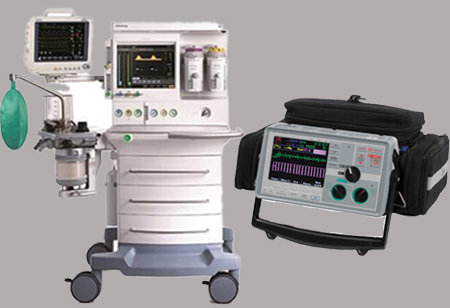 An ASC may prefer an anesthesia machine from one manufacturer, patient monitors from another and a pump selected for lower maintenance demands. PCB assembles around those priorities rather than forcing a facility into a single OEM portfolio.
Partners Matt Spencer, Dustin Spencer and Timothy Aebly bring experience spanning OEMs, independent distributors and corporate healthcare environments. For the Spencer brothers, that foundation began a generation earlier through their father’s work in the industry, which later led Dustin to found PCB. Years across the medical device landscape taught the partners to look past the initial request and evaluate what clinicians trust, what technical resources a facility has and where alternative options may deliver better long-term performance.
“We intentionally reject a traditional, high-pressure sales approach,” says Dustin Spencer, founder and partner. “Our focus is on understanding what a facility is trying to accomplish clinically and financially and then engineering recommendations around those goals rather than pushing inventory.”
A Broader View of Facility Fit
PCB’s perspective is particularly valuable for smaller ASCs, specialty clinics and private practices. Major OEMs naturally prioritize large hospital networks, while PCB supports three- to four-OR centers across multiple equipment categories through one accountable relationship.
One surgery-center physician illustrated why that matters. He requested an infusion pump that he had relied on for years within a major hospital system. PCB advised against the model, noting that it required intensive maintenance and could create downtime in a facility without an in-house biomedical team. The physician purchased it anyway. Six months later, repeated disruptions brought him back to PCB for another recommendation.
-
We intentionally reject a traditional, high-pressure sales approach. Our focus is on understanding what a facility is trying to accomplish clinically and financially and then engineering recommendations around those goals rather than pushing inventory.
The lesson wasn’t that the device was flawed, but that equipment that performs reliably in a hospital supported by dedicated biomedical resources can become an operational burden in a leaner setting. PCB’s role is to identify those friction points before familiarity turns into downtime.
Matching Technical Reliability to Strategic Guidance
In-house biomedical technicians service every system the company delivers, led by an OEM-trained anesthesia specialist with more than two decades of experience. Testing, recalibration and reconditioning are performed strictly to OEM operating specifications. PCB deliberately avoids competing as a low-cost refurbisher. Having seen inconsistent quality erode trust, the partners view every unit placed as a reflection of the company’s reputation.
Executed correctly, refurbished equipment delivers meaningful strategic value. PCB estimates capital savings of 30 to 60 percent, depending on the product category, typically backed by a one-year warranty. Hospitals can maintain fleet consistency without committing to full replacement cycles, while trade-ins and purchases of decommissioned units help stretch budgets further.
Sustainable Growth Without Model Dilution
Having seen suppliers expand faster than their technical capabilities could support, PCB is scaling deliberately through physician referrals and industry word-of-mouth. That pace preserves direct access, responsive technical support and the family-rooted operating philosophy behind the company.
For PCB Medical, growth matters only if clients continue to receive what has always set the company apart, broad equipment choice, unbiased technical guidance and support grounded in the realities of care delivery. This commitment to quality and operational integrity earned PCB Medical MedTech Business Review’s Top Refurbished Medical Equipment Service Services recognition.
Assessing Refurbished Medical Equipment Beyond Purchase Price
Refurbished medical equipment may help with capital problems, yet the lower cost of acquisition will hardly do any good to a healthcare institution if the device in question is not guaranteed to have an established history of service and performance once installed. Thus, the procurement department needs to consider something beyond mere price of acquisition. The quality of refurbishing procedure, support from manufacturers and compatibility with the facility’s fleet are some of the factors that can tell whether the equipment purchased extends its usable life or becomes one more maintenance problem.
The refurbishment process should be specific enough to examine. Buyers need to know who inspects and services the equipment, what testing is performed, how repairs are documented and whether the finished unit is brought back to applicable manufacturer specifications. In-house medical technology expertise cuts down the uncertainty since the accountability for inspection and repair is preserved close to the seller. Warranty terms also deserve attention, especially for anesthesia systems, patient monitors, ventilators and other equipment where downtime can interrupt procedures. A useful comparison is not simply refurbished versus new. It is the total package of verified condition and accessible service support.
“PCB Medical can compare equipment across multiple manufacturers rather than steering every facility toward a single brand.”
Fleet consistency can matter as much as the individual device. The hospitals that are upgrading the systems stepwise may require refurbished devices in order to conform with the existing units as this reduces any unnecessary inconsistency in the work of physicians and biomedicals. There are different limitations for smaller hospitals and surgical clinics. These facilities usually do not have their own biomedical technicians, which raises the service requirements and downtime of the device. The same equipment that works in a big hospital may require huge costs and efforts when operated in a small hospital if the demand for maintenance exceeds the capacity of personnel available. The use of similar models and consoles also leads to minimization of the retraining of staff in case of incremental replacement of devices.
Brand flexibility also changes the buying decision. A provider tied to one manufacturer can offer depth within that product line, yet buyers with mixed fleets may need comparisons across several manufacturers. The useful service is not a broad catalog. It is the ability to explain how particular models differ in service burden, usability, compatibility and maintenance demands. That requires enough familiarity with multiple product lines to narrow the choice around the facility’s actual workflow and budget.
Lifecycle economics should include what happens to equipment leaving service. Trade-ins or purchase offers for decommissioned units can return some capital to the replacement cycle rather than leaving unused assets idle. Refurbished equipment can also enable the process of phased replacement where complete fleet replacement is not feasible. In buying, consumers need to look at the warranty offered, access to services and spare parts, and how well the vendor will be able to support that particular piece of equipment after purchase.
PCB Medical refurbishes and services critical care equipment with in-house biomedical technicians including OEM-trained anesthesia expertise and tests equipment to manufacturer specifications before delivery. It can be covered under warranty for a period of up to one year and its service model also includes after sales support. Another channel for equipment being retired is provided by trade-in and purchase options. PCB Medical can compare equipment across multiple manufacturers rather than steering every facility toward a single brand. That breadth is especially relevant for hospitals managing mixed fleets and smaller surgical or specialty facilities that need equipment matched to budget, maintenance capacity, existing clinical preferences and fleet standardization requirements.
...Read more
Refurbished Medical Equipment Services Info
Q1
What Do Refurbished Medical Equipment Services Include?
Healthcare facilities need dependable medical equipment, but purchasing everything new is not always practical. Refurbished Medical Equipment Services offer an alternative by making previously used devices available after inspection, servicing and performance testing. These services can include sourcing equipment, replacing worn components, recalibrating systems, carrying out repairs and providing warranty support. Commonly refurbished devices include anesthesia machines, patient monitors, surgical tables and infusion pumps. Refurbishment can give medical equipment a longer useful life while helping healthcare providers manage their budgets. A reliable provider also checks whether a device is suitable for the facility and the clinical work it will support.
Q2
How Does PCB Medical Help Healthcare Facilities Choose Suitable Equipment?
Choosing medical equipment involves more than finding a device that performs the required function. Healthcare facilities also need to consider whether their staff know how to use it, how much maintenance it requires and what happens if it stops working. PCB Medical provides Refurbished Medical Equipment Services with these practical concerns in mind. Founded by Dustin Spencer, the company is led by Spencer alongside partners Matt Spencer and Timothy Aebly. Rather than recommending equipment from only one manufacturer, its team considers products from different brands to find a suitable match. For ambulatory surgery centers and specialty practices, PCB looks at existing equipment, staff familiarity, available technical support and how much downtime the facility can manage. This helps healthcare providers choose systems that fit their daily operations.
Q3
Why Is Technical Inspection Important for Refurbished Medical Equipment?
Before a previously used medical device returns to a clinical setting, healthcare providers need to know that it can perform its intended function reliably. Refurbished Medical Equipment Services therefore involve more than cleaning equipment and replacing worn parts. Technicians inspect the device, identify components that need attention and carry out repairs, calibration or adjustments where necessary. Performance testing should follow applicable manufacturer specifications and reflect how the equipment will be used. Healthcare facilities should also review maintenance records, future servicing needs and the availability of technical support. These checks are especially important for smaller clinics and surgery centers that may not have biomedical engineers on staff. Finding potential problems before purchasing equipment can help avoid unexpected failures and disruptions to patient care.
Q4
What Should Healthcare Providers Consider When Selecting Refurbished Equipment?
A refurbished device may offer considerable savings, but healthcare providers also need to think about how well it will serve them over time. When evaluating Refurbished Medical Equipment Services, facilities should consider the equipment's condition, compatibility with clinical requirements, warranty coverage and maintenance needs. A machine that works well in a large hospital may not be practical for a smaller clinic with limited technical support. Even familiar equipment can become difficult to maintain if replacement parts are hard to find or repairs require lengthy downtime. Healthcare providers should therefore look beyond the purchase price and consider the overall cost of owning and maintaining the device. An experienced supplier can explain these differences and help facilities choose equipment they can operate and support with confidence.
Q5
How Does PCB Medical Maintain Quality Across Its Refurbished Equipment?
PCB Medical relies on its in-house biomedical technicians to inspect, service and prepare equipment for continued clinical use. Its technical team includes an OEM-trained anesthesia specialist with more than 20 years of experience. The company tests, recalibrates and reconditions equipment according to the original manufacturer's operating specifications. This helps ensure that devices are assessed for their intended functions before being delivered to healthcare facilities. PCB typically provides a one-year warranty and estimates that refurbished equipment can reduce capital spending by 30 to 60 percent, depending on the type of device. It also accepts trade-ins and purchases decommissioned equipment, giving healthcare organizations options when replacing older systems.
Q6
How Can Refurbished Equipment Support Long-Term Healthcare Operations?
Replacing aging medical equipment can place considerable pressure on a healthcare facility's budget. Refurbished Medical Equipment Services give hospitals, clinics and surgery centers another option when they need to maintain existing services or add new capabilities. Purchasing a suitable refurbished device may allow a facility to continue using equipment its staff already know, replace an unreliable system or expand its services without buying every device new. However, a lower purchase price should not be the only consideration. Healthcare providers also need to understand how long the equipment is expected to remain useful, whether replacement parts are available and what ongoing maintenance will involve. Planning for these needs helps facilities make purchases that are financially manageable while keeping essential equipment available for patient care.
