

Thank you for Subscribing to Med Tech Business Review Weekly Brief

Vancouver Clinic
Roman Fomin, Manager Biomedical Engineering
Bridging Biomedical Engineering and Patient Care
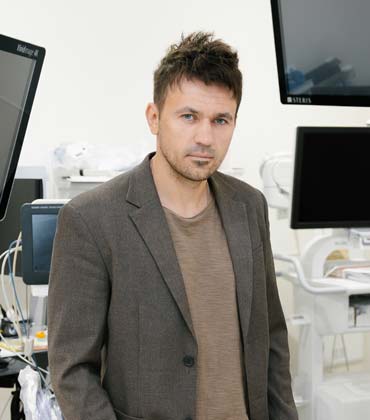
Roman Fomin
Navigating Medical Device Complexity
From a healthcare technology management perspective, some of the most significant challenges include protecting medical devices from evolving cybersecurity threats, keeping pace with rapid technological advancements and ensuring seamless integration across multiple clinical systems. As device connectivity increases, organizations must carefully balance security requirements with reliable clinical performance. Additionally, frequent technological updates require continuous staff education and lifecycle planning, while interoperability limitations between devices and information systems can create operational inefficiencies and hinder effective data exchange. A Balanced Approach to Equipment Lifecycle Management Device lifecycle management has always been a cornerstone of effective medical equipment management within healthcare organizations. At Vancouver Clinic, we take a proactive approach to lifecycle management by leveraging both data-driven decision-making and hands-on equipment assessment: Maximizing CMMS Capabilities: We utilize our computerized maintenance management system (CMMS) to track equipment throughout its lifecycle, including acquisition dates, maintenance history, work order volume, repair costs and overall reliability trends. This data helps inform repair-versus-replace decisions and supports long-term capital planning. Conducting Physical Biomed Rounds: While performance data is valuable, it does not always tell the full story. Regular hands-on inspections allow Biomedical Services to evaluate equipment condition, reliability, safety and user satisfaction firsthand. These observations provide critical insight into actual device performance and help ensure cost-effective, patient-safe lifecycle decisions. “Every successful invention in history started as a small, crazy idea and it took short but confident steps along the way to perfect it and make it great.” This balanced approach combines objective maintenance data with real-world equipment assessments to support informed, sustainable equipment management decisions. Preventive Maintenance and Predictive Technologies Both preventive maintenance and emerging technologies work together to shift operations from reactive repairs to proactive strategies that minimize unplanned downtime and maximize equipment lifespan. Preventive maintenance establishes a reliable baseline through scheduled inspections, cleanings and routine part replacements, preventing minor wear from escalating into catastrophic breakdowns. Emerging technologies elevate this process into predictive maintenance by using Internet of Things sensors to continuously monitor real-time metrics like temperature and vibration, alongside Artificial Intelligence to detect subtle failure patterns early. Centralizing these insights within a CMMS spare parts inventory and ensures technicians service equipment precisely when needed, boosting overall reliability and operational efficiency. Aligning Biomedical Engineering with Clinical Needs I strongly believe that Biomedical engineering teams can strengthen collaboration with clinical staff by embedding engineers directly into clinical workflows, establishing continuous feedback loops and co-designing equipment training and procurement processes. Aligning technical expertise with bedside realities minimizes device-related errors, reduces equipment downtime and streamlines daily hospital operations. Advice for Aspiring Biomedical Engineering Professionals Take it one step at a time. Once you’ve fully accomplished a step, close that chapter and move on to the next. Always look and plan ahead, keeping both short- and long-term goals in mind. Learn from past mistakes and build on them. Trust your team and, most importantly, trust the process. As the saying goes, “A little, goes a long way.” Every successful invention in history started as a small, crazy idea and it took short but confident steps along the way to perfect it and make it great.The articles from these contributors are based on their personal expertise and viewpoints, and do not necessarily reflect the opinions of their employers or affiliated organizations.
