

Thank you for Subscribing to Med Tech Business Review Weekly Brief

Dartmouth-Hitchcock
Matt Maughan, Director of Telepharmacy
Bridging Technology and Humanity in Telepharmacy
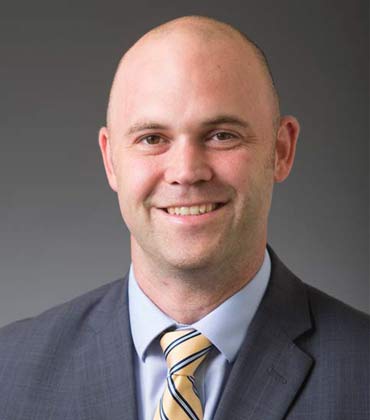
Matt Maughan
Key Experiences and Career Milestones
When I started my career, I had a very clear and simple goal: to make a difference. I understood then and still do now, that impact can happen in a workday, within a department, across a hospital, or through developing new ways to provide care. My journey toward leading Telepharmacy at Dartmouth Health has been circuitous but deeply rewarding. I’ve been shaped by conversations with colleagues about why they chose healthcare and what they see as working or broken within it. Early on, I focused on optimizing medication workflows in hospital settings, which exposed both the potential and the limitations of traditional pharmacy models. Early in my career, the ‘gold standard’ of practice had visible cracks that required new-to-healthcare tools to create safer, more effective environments. Those experiences, paired with reflection and curiosity, taught me how valuable it is to pair clinical expertise with digital innovation. My current work focuses on extending pharmacist support to hospitals of all sizes—especially rural ones—in sustainable and cost-effective ways. Adapting Strategy across Borders Each healthcare ecosystem operates within its own cultural, regulatory and logistical realities, but the shared goal is always the same: safe, reliable care. I’ve learned that understanding the ‘why’ behind USP, WHO and Joint Commission standards helps guide more meaningful solutions. When adapting across borders, the approach isn’t about imposing one system onto another. It’s about translating principles into practice in ways that fit the local context. Consistency in quality and safety can coexist with flexibility and success often depends on listening first, then designing systems that empower local teams to thrive. It also requires understanding the current state before applying previous experience to the problem set. Inspiration behind Telepharmacy Early in my career, the pharmacy I led experienced a severe staffing shortage, with about 40% of positions unfilled. I remember interviewing a candidate who said they weren’t interested in the job; they were just curious why there was such a shortage. That conversation was a wake-up call.Innovation isn’t about technology for its own sake. It’s about creating systems that help people deliver better care and find more purpose in their work.
The articles from these contributors are based on their personal expertise and viewpoints, and do not necessarily reflect the opinions of their employers or affiliated organizations.
