


Thank you for Subscribing to Med Tech Business Review Weekly Brief
MedTech Business Review: Specials Magazine

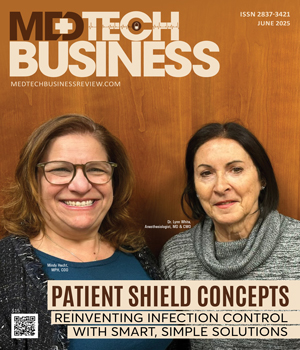
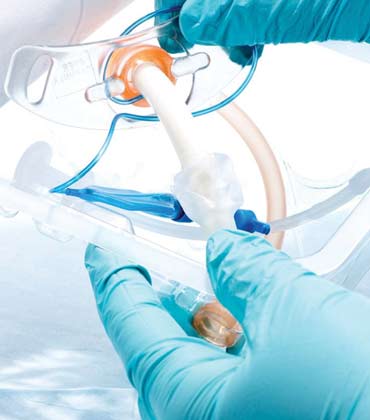
Infections may spread in mere seconds, but Patient Shield Concepts is matching that pace with swift, preventative solutions. Founded by anesthesiologist, MD, and CMO, Dr. Lynn White and Dr. Stanley Rosen, the company addresses a pressing issue in acute care settings: stopping the cross-contamination of bacteria and viruses from contaminated suction implements. Determined to break this cycle of contamination, Dr. White and her team developed SuctionShield, a simple and effective holster that keeps suction implements off contaminated surfaces and out of harm’s way. By reducing cross-contamination risks, Patient Shield Concepts is creating safer environments for both patients and healthcare providers. “SuctionShield holsters provide infection control by reducing cross contamination at the bedside, providing a safe, identifiable storage space for used suction implements,” says Dr. White. SuctionShield: A Simple Solution to a Critical Infection Control Risk The concept behind SuctionShield emerged in the operating room, where suction devices used in patients’ oral and respiratory tracts were routinely placed on contaminated surfaces—under pillows, alongside ventilators, or even on the floor—before being reused. Research shows that many suction implements in acute care can harbor various pathogens, including bacteria and viruses capable of surviving on dry surfaces for extended periods. These pathogens can spread easily as healthcare staff move between rooms, often carrying microbes on their clothing or arms. SuctionShield was developed to address this frequently overlooked yet critical problem. Initially designed for operating rooms, its effectiveness quickly caught the attention of clinicians across the healthcare spectrum, leading to broad adoption in ambulances, emergency departments, ICUs, and step-down units. Engineered for single-patient use over a 24-hour period, this straightforward holster isolates potentially contaminated suction devices, making them easily identifiable while significantly reducing cross-contamination risks. With its bright orange color, SuctionShield stands out in high-traffic clinical settings, and its sturdy, re-attachable construction remains secure until deliberately removed. A gridbottom design allows suction tips to air-dry completely, helping inhibit microbial growth. Made from disposable and recyclable materials, SuctionShield strengthens infection control and supports broader sustainability efforts.
Top RED Light Therapy Product 2025
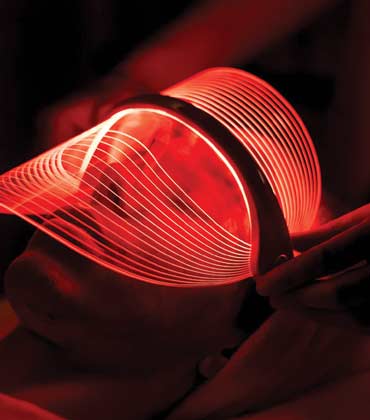
What if you could tap into your body’s natural ability to heal—without medications or invasive treatments? Leanne Venier International’s REDjuvenator technology does just that by restoring the body’s energy balance. Designed as more than a red light therapy device, it combines the science of quantum healing with harmonized light frequencies to accelerate recovery and rejuvenate the body at a cellular level. REDjuvenator’s success also stems from Venier’s customer-centric foundation. With an ardent focus on taking care of customers and endorsing the Pay It Forward model, Venier is entirely invested in delivering tangible results and consistent support. It’s the embodiment of customer-centricity on steroids. “I’ve never spent a dime on advertising, and I don’t have an affiliate program. My customers spread the word and they ‘sell’ the product for me because they genuinely want to help others experience the same healing benefits,” says Venier, founder and CEO. This philosophy is rooted in authentic healing experiences rather than traditional sales-driven models. Since its launch in 2016, REDjuvenator has earned the trust of tens of thousands of users worldwide, both in medical settings and at home. Thousands of doctors and practitioners have integrated the device into their practices and recommend it to patients. Users report relief from chronic pain, reduced inflammation, restored energy levels, and even recovery from serious conditions like thyroid dysfunction, dementia and cancer.

Top DME Service 2025

At Tactical Rehabilitation, the purpose is not a marketing tagline—it is the operating system. Established as a full-service provider of durable medical equipment (DME) exclusively for the U.S. military community, the company was built on a singular promise: to serve those who have served. Every aspect of its business reflects this commitment, translating duty into action. What sets Tactical Rehabilitation apart is what it does and who does it. Many team members are veterans, military spouses, or individuals with direct ties to service life. Their lived experience becomes a powerful asset—creating authentic connections, fostering trust, and enabling more personalized care for military patients. This is not outsourced empathy; it is embedded understanding. To strengthen its mission from within, the company transitioned to a woman-owned, veteran-owned, and now employee-owned model. By adopting an Employee Stock Ownership Plan (ESOP), Tactical Rehabilitation empowered its workforce—many of whom are part of the military community—to shape the company’s future as stakeholders. Ownership became a natural extension of the company’s ethos: giving back while building something lasting. This focused approach—serving only active duty and retired military personnel—allows for unparalleled specialization. With no competing priorities, every product, service, and innovation is crafted around the unique challenges of military healthcare. The result is not just operational efficiency but impact at scale. “The most important thing for us is that we never say no. If someone needs something, whether it’s a patient or a doctor, we will always find a way to make it happen,” says Kevin MacRitchie, CEO. Advanced Biomechanical and Pain Management Solutions Tactical Rehabilitation understands military patients in detail. As a primary partner for Enovis and DonJoy, and with exclusive access to top bracing manufacturers, it has earned a reputation for care that aligns with TRICARE standards and the realities of military life. Every solution is rooted in biomechanical precision—spanning bracing, casting, orthotics, and supportive therapies designed to assist recovery and enhance movement and confidence.
Medical Suppliers and Distributors

Leading the Way in Healthcare Technology Management
Pete Larose, AVP of Healthcare Technology Management and Medical Device Security, Texas Health Resources
Mobility Products

The Power of Smart Choices in Medtech Innovation
Jennifer Lazar, Global Director, New Product Management, BD
Medical Accessories

Driving Clinical Excellence through Education and Strategy
Jennifer Dewitt, Vice President of Clinical Quality, ARcare
Medical Accessories

Beyond The Scalpel, Where Medicine Meets Management
Dr. Joseph Sobanko, Director of Cosmetic Dermatology & Laser Surgery, Penn Medicine, University of Pennsylvania Health System
Medical Accessories

Advancing DME Services with Operational Excellence and Compassionate Care
Chris Walker, Director of Durable Medical Equipment (DME) Services, Freeman Health System

IN MY OPINION
Medical Accessories
Navigating the Future of Healthcare: Leveraging Emerging Technologies To Enhance Patient Care And Operational Efficiency
Roger Kapoor, Managing Director, Beloit Health System

LAST WORD
Medical Accessories
Addressing Burnout in Healthcare Settings: A Compassionate Approach
Thomas Pierce, Clinic Operations Manager - Dermatology and Mohs Surgery, Providence
IN FOCUS
EDITORIAL
Transforming Clinical Practice with MedTech Advances
Disposable suction holders improve hygiene by reducing cross contamination, addressing infection control challenges in clinical settings. This growing demand for single-use products reflects a wider shift toward safer, more efficient care practices. At the same time, red light therapy offers a non-invasive treatment option, gaining traction as clinicians seek effective alternatives supported by new efficacy data. Supporting these advances, durable medical equipment (DME) services are shifting to full-service models that provide training and maintenance, helping home care providers manage staffing shortages and navigate changing reimbursement policies.
The key technology trends driving the expansion are antimicrobial material engineering, LED wavelength optimization and cloud-based asset tracking. Antimicrobial material engineering enhances disposable suction holders by embedding pathogen-resistant surfaces that maintain sterility during procedures and reduce contamination risks. LED wavelength optimization fine-tunes red light therapy devices to specific therapeutic ranges, improving treatment outcomes through targeted cellular stimulation. Cloud-based asset tracking streamlines DME service by enabling real-time visibility of equipment location, usage and maintenance schedules, helping providers ensure availability and efficient resource allocation.
This edition of MedTech Business Review explores the rising demand for infection control, non-invasive therapies and home-based care. It highlights key trends in disposable suction product innovation, red light therapy advancements and durable medical equipment service transformation.
It features thought leadership articles from industry leaders, including Roger Kapoor, managing director at Beloit Health System. He explores how robotics and AI are transforming patient care and diagnostics. He outlines how technologies like robotic-assisted bronchoscopy and AI-driven analytics enhance surgical precision, improve outcomes and streamline clinical decision-making. Pete Larose, senior director of healthcare technology management and medical device security at Texas Health Resources, discusses how integrated network security and AI tools are reshaping medical device management. He shares how centralized patch systems and AI-based maintenance schedules improve operational safety and device reliability.
We hope this edition helps you discover the best technologies to streamline operations and boost productivity across every level of care delivery.
