


Thank you for Subscribing to Med Tech Business Review Weekly Brief


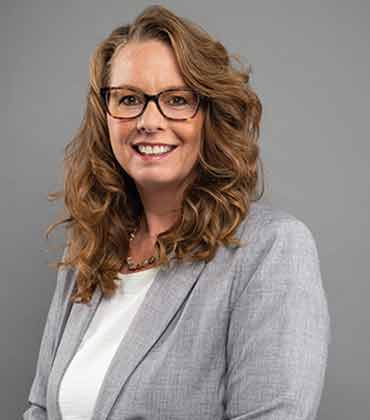 Nellie Bushman, Founder
The medical device industry demands rigorous quality management, yet many startups face a difficult balancing act. They must advance product development, manage limited resources, and establish regulatory-ready systems without exhausting early funding.
BushmanQC addresses this challenge by providing fractional virtual quality management system support designed specifically for growing medical device companies.
Founded by Nellie Bushman, a quality professional with more than 25 years in the medical device industry, the company helps organizations establish compliant quality frameworks while allowing them to focus financial resources on critical design, validation, and testing activities. Instead of forcing early-stage companies into expensive solutions before they are ready, BushmanQC offers a practical approach that aligns quality implementation with business and product development needs. The company’s approach centers on building systems that are usable, adaptable, and sustainable.
Quality System Designed Around Startup Realities
Many medical device companies begin with an innovative idea, engineering expertise, and a vision for commercialization. However, as development progresses, the need for a structured quality management system becomes unavoidable. BushmanQC enters at this critical stage, providing fractional quality resources that deliver expertise without requiring the cost of a full-time quality department. The company’s virtual model helps startups establish the foundation they need while preserving capital for product advancement.
BushmanQC recommends a lean, document-based quality management system hosted on a validated cloud storage (virtual paper system) rather than immediately investing in an expensive electronic quality management system (eQMS). The company believes that early-stage organizations can often achieve stronger outcomes by directing available funding toward design controls, validation efforts, and testing. The company creates secure quality data storage environments using platforms such as SharePoint, Dropbox, Box, or Google Drive, while helping clients validate those systems and maintain compliant records.
The company also implements validated electronic signature processes that support compliance with 21 CFR Part 11, 21 CFR Part 820 (QMSR), and ISO 13485 requirements. By establishing compliance foundations early, medical device companies can grow with confidence while avoiding unnecessary complexity.
Experience That Accelerates Implementation
One of BushmanQC’s distinguishing strengths is its extensive experience developing quality procedures and documentation.
The company has spent years creating and refining quality system packages that have been implemented by multiple customers. Rather than beginning every engagement from the ground up, BushmanQC adapts proven procedures to meet each client’s specific needs.
This approach reduces implementation time and helps companies avoid the learning curve associated with building quality systems independently. The company has supported clients through thousands of document change orders and large-scale quality system implementations while maintaining a focus on affordability.
As Bushman explains, “Our quality system package has been used by clients who have passed FDA inspections, and dozens of companies have implemented it. Every time we learn something, the package gets better.”
The company implements quality management systems in phases, ensuring that procedures are introduced when they are needed most. Instead of delivering a large collection of documents that teams struggle to understand, BushmanQC works alongside clients to integrate quality practices with ongoing design control activities. This point-of-need implementation model helps organizations actively use their systems and remain prepared for audits.
Creating Clarity Through Structured Processes
A strong quality management system depends not only on documentation but also on communication, accessibility, and accountability. BushmanQC focuses on five key pillars: knowledgeable users, reliable data storage, validated electronic signatures, structured processes, and continuous communication. Through regular collaboration, clients understand what quality activities should happen next and how those activities connect with broader development goals.
The company’s document change order (DCO) process provides a structured framework for managing updates. Through document logs, change records, approval workflows, and master indexes, teams maintain visibility into current, obsolete, and superseded documentation. This approach allows organizations to quickly identify quality system changes and respond effectively during audits or regulatory reviews.
-
Our procedures have been through FDA inspection and dozens of customer implementations. Every time we learn something, the package gets better.
The master index serves as a central representation of the quality system, helping teams track document history, revisions, change descriptions, training requirements, and regulatory references. This organized approach transforms quality documentation from an administrative burden into a strategic resource.
Supporting Companies Beyond Documentation
BushmanQC’s role extends beyond creating procedures. The company helps organizations understand why quality processes exist and how they contribute to successful product development. This educational approach is especially valuable for startups where engineers and founders may be responsible for quality activities without having formal quality backgrounds.
The company also develops practical solutions for unique client challenges. For example, BushmanQC can help organizations document early research and development activities through structured lab notebook approaches that create reliable quality records. These flexible solutions demonstrate the company’s ability to adapt quality practices to real-world development environments.
A Tiered Model That Matches Expertise to the Task
Its fractional model is built around efficiency and expertise. Rather than assigning every task to the highest-cost resource, BushmanQC uses a tiered approach where activities are matched with the appropriate level of experience. Quality specialists, directors, and leadership resources contribute according to project requirements, helping startups receive strategic guidance without unnecessary expense. This structure enables smaller organizations to access experienced quality professionals while maintaining control over budgets and timelines. By combining practical implementation with regulatory knowledge, BushmanQC creates partnerships that evolve alongside each client’s product development journey and changing business needs.
This balance between expertise and accessibility reflects the company’s philosophy that quality systems should support innovation rather than slow it down. BushmanQC focuses on making compliance understandable, actionable, and part of everyday operations. For emerging medical device companies, this means quality becomes a foundation for progress instead of an obstacle to overcome.
Addressing Remediation and Regulatory Change
For organizations with existing quality challenges, BushmanQC provides remediation support through internal audits and gap system assessments. The company evaluates whether an existing quality system can be repaired or whether implementing a new system would be more effective. BushmanQC recognizes that repairing years of accumulated issues can sometimes require greater investment than establishing a clean foundation.
Keeping pace with regulatory changes is another important aspect of the company’s work. BushmanQC maintains processes for monitoring standards, evaluating changes, and determining their impact on procedures and training. As regulations evolve, the company works with clients to understand how updates affect their quality systems and design activities.
Looking Ahead With Continued Innovation
Over the next several years, BushmanQC plans to expand its capabilities by updating procedures for European Medical Device Regulation readiness, exploring a marketplace for quality procedures, and formalizing educational resources for companies learning about quality management systems. The company’s goal is to make quality knowledge more accessible while continuing to support emerging medical device innovators.
Bushman emphasizes the company’s commitment to practical solutions, stating, “Every procedure we write has to pass two tests. Can a new operator follow it without asking questions? Can an auditor find the requirement behind every step? If it fails either one, it isn’t done.”
Named Medical Device Virtual Quality Management System Company of the Year 2026, BushmanQC represents a new approach to quality support for medical device organizations. By combining regulatory expertise, scalable systems, and accessible guidance, the company helps innovators build quality foundations that support long-term growth.
With continuous improvement built into its operations, BushmanQC refines its methods through feedback from every client engagement. Its ability to deliver experienced quality support while remaining flexible and cost-conscious positions the company as a valuable partner for companies navigating the complex journey from concept to commercialization.
Matching QMS Scope to Medical Device Development
Quality spending becomes difficult to control when a medical device startup installs a large electronic quality management system before its design program is mature. License fees are only part of the burden. Validation work, administration, user training and staff time can consume money needed for product development. Delaying quality work creates a different problem because late procedures can force teams to reconstruct records or correct habits already embedded in development. The better buying question is not how much software a provider can deploy, but how early the quality framework can become usable without placing unnecessary weight on a young company’s budget.
Timing matters inside the system itself. A company may need document control and design control early, while other procedures can wait until they are actually used. Activating an entire library at once can create a compliance burden if procedures sit idle or staff members are still learning them. Phased implementation is more useful when each release matches current design activity and the provider can adapt established procedures instead of treating every document as a fresh drafting exercise.
Document discipline is another dividing line. Virtual storage is not enough if change records are difficult to trace during an inspection. A workable system should make it easy to reserve document numbers, control revisions, preserve approval records and distinguish current material from obsolete content. Its index should also support quick filtering when an auditor asks what changed during a defined period. Electronic signatures add another layer, but only when validation and use fit the record process rather than sit beside it as a separate tool.
“BUSHMANQC's virtual QMS implementation combines client-hosted cloud storage, 21 CFR Part 11 electronic signatures, phased document control and employee training support that can be introduced as the device program advances.”
Regulatory change management exposes how well the provider understands medical device development. The FDA’s Quality Management System Regulation now sits in closer alignment with ISO 13485, while product standards continue to change on separate schedules. A useful service model needs a repeatable way to detect revisions and compare them against procedures already in force. Impact assessment should reflect the stage of design control because a new requirement may be simple to adopt during concept work yet far more disruptive during verification and validation. Training changes and technical review should follow from that assessment.
Staffing economics can matter just as much for an early-stage company. Paying senior-consultant rates for routine document administration makes fractional support expensive for the wrong reasons. Tiered staffing is a better fit when lower-complexity work sits at the appropriate level and senior expertise remains available for system design or difficult remediation. Management can then compare service cost against hiring a full-time quality function before the workload can justify one.
BUSHMANQC’s virtual QMS implementation combines client-hosted cloud storage, 21 CFR Part 11 electronic signatures, phased document control and employee training support that can be introduced as the device program advances. Its master-index approach keeps released records searchable and change history visible, while fractional staffing separates routine work from higher-level quality oversight. The company also provides supplier management and quality system remediation when an existing system needs repair rather than expansion. For a startup balancing compliance work against limited headcount, that mix makes BUSHMANQC a disciplined option rather than a software-heavy default.
...Read more
Medical Device Virtual Quality Management System Companies Info
Q1
What Are Medical Device Virtual Quality Management System Companies, And What Do They Provide?
Medical Device Virtual Quality Management System Companies help medical device organizations establish and manage quality systems without necessarily building a full in-house quality department. Services can include document control, design controls, quality procedures, electronic signatures, training support, internal audits, remediation and regulatory change management. The model can be particularly relevant to growing organizations that need quality infrastructure while keeping resources focused on product development and testing.
Q2
How Do Medical Device Virtual Quality Management System Companies Support Growing Medical Device Teams?
BushmanQC provides fractional virtual quality management system support built around the development stage and available resources. It recommends a lean, document-based system using validated cloud storage rather than automatically moving an early-stage client into a complex eQMS. BushmanQC also supports secure storage through platforms such as SharePoint, Dropbox, Box and Google Drive, along with validated electronic signatures supporting 21 CFR Part 11, 21 CFR Part 820 and ISO 13485 requirements.
Q3
Why Does Phased Implementation Matter in A Quality Management System?
Medical Device Virtual Quality Management System Companies can help organizations introduce procedures as they become relevant to actual development work. A phased model can reduce the burden of activating large document libraries before teams need them. It also allows document control and design control activities to develop alongside the product program, helping users understand procedures in context rather than treating quality documentation as a separate administrative exercise.
Q4
What Should Organizations Evaluate Before Choosing A Virtual Quality System Provider?
Organizations should examine how the provider handles document revisions, approval records, training, electronic signatures, regulatory updates and audit readiness. Medical Device Virtual Quality Management System Companies should also be assessed on how their staffing model matches the work. A tiered structure can assign routine activities to appropriate resources while reserving senior quality expertise for system design, remediation and more complex issues. The scope should also fit the organization’s current development stage.
Q5
How Does BushmanQC Manage Documentation And Quality System Changes?
BushmanQC uses a document change order process supported by document logs, change records, approval workflows and a master index. The system helps teams track revisions, document history, training requirements and regulatory references while distinguishing current material from obsolete or superseded documents. Medical Device Virtual Quality Management System Companies using this type of structured document control can give organizations a clearer way to manage updates and prepare records for audits or regulatory review.
Q6
What Role Can These Services Play As Medical Device Companies Grow?
Medical Device Virtual Quality Management System Companies can provide a quality framework that changes with the product program instead of requiring every procedure to be established at once. BushmanQC also provides internal audits and gap assessments for organizations with existing quality challenges. Its stated plans include updating procedures for European Medical Device Regulation readiness, developing a marketplace for quality procedures and formalizing educational resources around quality management systems. This can support continuity as responsibilities shift, records grow and regulatory expectations change during product commercialization.
