Orthotics and Prosthetics Medical Device in Europe

Orthotics and Prosthetics Medical Devices in Europe encompass medical technologies designed to support, align, replace, or enhance musculoskeletal function for individuals with limb loss, physical impairments, or mobility challenges. The category includes prosthetic limbs, orthopedic braces, custom orthoses, and related innovations that improve mobility, independence, rehabilitation outcomes, and overall quality of life across European healthcare markets.

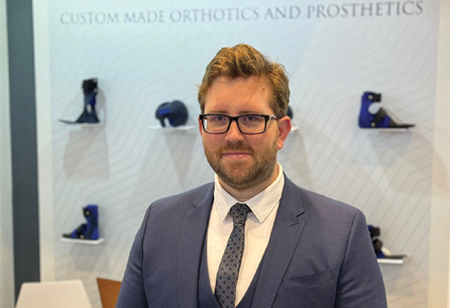
Moor Orthotics and Prosthetics: Digitally Engineered Mobility for Better Movement
Moor Orthotics and Prosthetics
Digitally Engineered Mobility for Better Movement
Boštjan Boltežar, CPO
Traditional orthotics and prosthetics were once defined by plaster casting, but the field has been shifting toward digital design and additive manufacturing. Leading this transformation since 2013, Certified Orthotists and Prosthetists Edita Boltežar Smuk and Žane Janez Boltežar have redefined patient care at MOOR Orthotics and Prosthetics with 3D-printed, digitally designed mobility devices. With over 35 years of experience, the company creates patient-specific devices that blend emerging technologies with family-led leadership and accountability.

Enhancing Lives: How Europe is Shaping Orthotics and Prosthetics

European MedTech companies are redefining mobility care by advancing orthotics and prosthetics devices that restore independence and improve quality of life. Across the region, manufacturers, research centres and clinical networks are working together to create more responsive and personalised mobility technologies. These innovations go far beyond traditional braces and artificial limbs. Today, the focus is on devices that closely mimic human movement and integrate seamlessly with the user’s body. European research ecosystems' strong engineering heritage and supportive regulatory frameworks have enabled companies to develop solutions that integrate biomechanics, robotics, and digital health.

Advancing Precision and Patient Compliance in Orthotics and Prosthetics

Executives evaluating advanced orthotic and prosthetic medical devices face a complex mandate. Clinical efficacy must be demonstrable, regulatory compliance uncompromising and patient adherence consistently high. Traditional fabrication models built around plaster casting and manual modification continue to serve many providers, yet they limit precision, extend turnaround times and constrain design flexibility. The result is often a cycle of adjustment visits, compromised comfort and inconsistent wearing compliance, all of which dilute clinical impact and strain institutional resources.

How outdated requirements are impacting patients of today
NovaCare Prosthetics & Orthotics
How outdated requirements are impacting patients of today
Steve Mantegani, Vice President of Operations

As a physical therapist working in the prosthetic and orthotics industry for the last 13 years, it has been difficult to watch the professionals who provide prosthetic care battle for recognition. Within the eyes of Medicare, well-trained prosthetists must still rely on physician documentation in order to deliver a prosthetic to their patient and get paid for the work completed.

Orthotics and Prosthetics Medical Device in Europe Info

Q1
What Do Orthotics and Prosthetics Medical Device Manufacturers Produce?
Orthotics and prosthetics medical device manufacturers develop custom and prefabricated devices that help improve mobility, stability and physical function for individuals with congenital conditions, injuries, neurological disorders or limb loss. These products may include lower-limb orthoses, spinal supports, prosthetic limbs, cranial orthoses and other assistive devices designed to support movement and rehabilitation. Top Orthotics and Prosthetics Medical Device Manufacturers play an important role in helping patients achieve greater independence and quality of life through clinically driven device design.
Q2
What Solutions Are Included in Orthotics and Prosthetics Medical Devices?
The category covers a broad range of products and related services, including patient assessment, device design, fabrication, fitting, adjustment and long-term support. Modern orthotics and prosthetics solutions may incorporate digital scanning, computer-aided design, additive manufacturing and advanced materials to improve customization. Top Orthotics and Prosthetics Medical Device Manufacturers often support healthcare providers with technologies that address comfort, alignment, mobility and patient compliance.
Q3
What Is Driving Demand for Orthotics and Prosthetics Medical Devices in Europe?
Several factors contribute to demand, including aging populations, increasing rates of musculoskeletal conditions, traumatic injuries and the growing need for rehabilitation services. Healthcare systems are also placing greater emphasis on mobility restoration, patient-centered care and personalized treatment approaches. Advances in digital manufacturing and custom device production are encouraging wider adoption of products developed by Top Orthotics and Prosthetics Medical Device Manufacturers. The ability to create patient-specific devices with greater precision is becoming an important consideration for clinicians and rehabilitation teams.
Q4
How Are Top Orthotics and Prosthetics Medical Device Manufacturers Evaluated?
Healthcare providers, rehabilitation specialists and procurement teams typically assess manufacturers based on clinical performance, product quality, regulatory compliance, durability and patient outcomes. Additional factors include manufacturing consistency, customization capabilities, technical support and adherence to standards such as the European Medical Device Regulation. Top Orthotics and Prosthetics Medical Device Manufacturers are often recognized for balancing innovation with safety, reliability and evidence-based clinical practices.
Q5
How Do Orthotics and Prosthetics Medical Devices Create Value for Patients and Healthcare Systems?
Effective devices can improve mobility, support rehabilitation goals and help individuals participate more fully in daily activities. Better-fitting orthotic and prosthetic solutions may reduce discomfort, encourage consistent use and decrease the need for frequent adjustments. For healthcare systems, Top Orthotics and Prosthetics Medical Device Manufacturers contribute value by supporting treatment efficiency, improving patient satisfaction and helping clinicians deliver more personalized care pathways.
Q6
What Role Do Innovation and Expertise Play in Orthotics and Prosthetics Manufacturing?
Innovation is reshaping the category through technologies such as 3D scanning, digital modeling, additive manufacturing and advanced material engineering. These developments allow manufacturers to produce devices with improved precision, comfort and functionality. Clinical expertise remains equally important because successful outcomes depend on accurate assessment, biomechanical understanding and proper device fitting. Top Orthotics and Prosthetics Medical Device Manufacturers combine technological advancement with specialized clinical knowledge to support better mobility outcomes and long-term patient success.