Medical Device Manufacturer

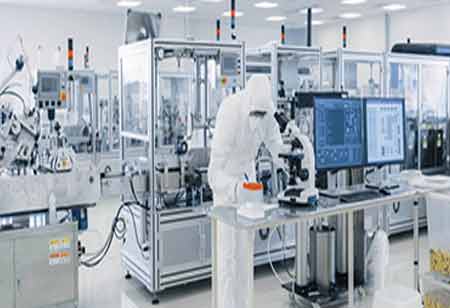
Medical Device Manufacturer refers to companies that design, develop, and produce medical technologies used in diagnosis, treatment, monitoring, and patient care. These manufacturers create devices ranging from surgical instruments and diagnostic systems to therapeutic equipment and implantable technologies, serving hospitals, clinics, and healthcare providers while meeting strict regulatory, safety, and quality standards.

Zimmer MedizinSystems: Building Clinical Consistency in a Market Shaped by Change
Zimmer MedizinSystems
Building Clinical Consistency in a Market Shaped by Change
Jeff Lyons, Vice President of Aesthetic Division, Gerold Gabele, Vice President of Physical Medicine Division
Some healthcare technology providers compete on specifications. Others compete on price. Neither approach alone addresses the practical challenge of delivering consistent clinical use.

Meeting Global Healthcare Needs: The Evolution of Medical Devices

The medical device industry experiences rapid transformation through three main drivers, which include technological progress, growing patient requirements and the increased demand for efficient healthcare services. Medical devices function as vital components that enhance care delivery and boost patient outcomes through their range of diagnostic tools and surgical instruments.

Evaluating Excellence in Medical Device Manufacturing for Physical Medicine and Aesthetics

Executives responsible for sourcing medical device manufacturers face a narrowing margin for error. Reimbursement pressure, rising patient expectations and intensified regulatory oversight require partners that do more than supply equipment. They must offer coherent technology portfolios, credible clinical grounding and sustained support that protects long-term capital investment. In physical medicine and aesthetic care, where outcomes and patient experience are tightly linked, the choice of manufacturer shapes both clinical performance and business stability.

Quality in the World of Medical Device Contract Manufacturing
Biomerics
Quality in the World of Medical Device Contract Manufacturing
Stacey Lyons, Plastics Quality Director

Having an effective Quality Management System (QMS) is required for any medical device company. Having focus on the safety, function, and efficacy of the product you manufacture is how you are successful within your QMS. The regulations of the Food and Drug Administration (FDA) and International Standards Organization (ISO) will require your compliance to be able to manufacture medical devices. FDA and ISO standards are written clearly but with little detail as to the “How-To’s” of applying the standard. There are many guidance documents and white paper guidelines that can help with the application of the standards. The most important guideline to creating an effective QMS is assembling the proper Quality group for ideal support of the QMS. Creating your QMS and Quality group to fit your organization and device is pivotal. In my experience your QMS systems are primarily based around Branches with your systems spread across the Branches. If you can assign Branches and systems within your company properly it allows you to organize what is needed to follow the regulations. The branches and systems of the QMS can be defined no matter the size of the organization or the class of device. When it comes to branches, bucketing your group into Quality Systems, Quality Engineering, and Quality Control can allow you to isolate your systems and become more effective.

Medical Device Manufacturer Info

Q1
What Do Medical Device Manufacturers Produce for Healthcare Providers?
Companies in the Top Medical Device Manufacturers category develop technologies used in diagnosis, treatment, rehabilitation and patient monitoring across healthcare environments. These manufacturers supply products for hospitals, outpatient clinics, rehabilitation centers and specialty practices. The category includes imaging systems, therapeutic devices, surgical technologies, rehabilitation equipment, monitoring systems and minimally invasive treatment platforms. Many medical device manufacturers also provide software integration, clinical training, preventive maintenance and technical support to help healthcare organizations maintain safe and efficient device usage.
Q2
What Types of Solutions Are Included in Medical Device Manufacturing?
The Top Medical Device Manufacturers market includes a broad range of technologies designed for clinical care, diagnostics and therapeutic intervention. Common solutions include physical therapy systems, cryotherapy equipment, laser therapy devices, ultrasound systems, patient monitoring technologies and surgical support equipment. Many medical device manufacturers also develop connected platforms that integrate software, data management and workflow optimization into clinical environments. Some manufacturers specialize in therapeutic rehabilitation technologies while others focus on diagnostics, aesthetics, cardiovascular care or orthopedic applications.
Q3
Why Is Demand Growing for Medical Device Manufacturers?
Demand for Top Medical Device Manufacturers continues to increase because healthcare providers are investing in technologies that improve treatment efficiency, patient outcomes and workflow automation. Aging populations, rising chronic disease rates and increased interest in minimally invasive therapies are also contributing to stronger demand across multiple medical specialties. Hospitals and clinics are increasingly seeking devices that reduce recovery time, support outpatient treatment models and improve operational efficiency. Growth in rehabilitation medicine, aesthetics, digital diagnostics and connected healthcare technologies is further expanding opportunities for medical device manufacturers worldwide.
Q4
How Are Top Medical Device Manufacturers Evaluated?
Healthcare organizations evaluating Top Medical Device Manufacturers often compare product reliability, clinical performance, regulatory compliance and long-term service capabilities before making purchasing decisions. Buyers typically assess device usability, training support, maintenance responsiveness and compatibility with existing healthcare infrastructure. Compliance with standards such as ISO 13485, FDA regulations and CE certification requirements is also an important consideration. Many healthcare providers additionally evaluate research and development investment, manufacturing quality and the ability to deliver consistent product innovation when selecting medical device manufacturers.
Q5
How Do Medical Device Manufacturers Create Value for Healthcare Organizations?
Top Medical Device Manufacturers create value by helping healthcare providers improve clinical efficiency, treatment precision and patient care quality. Reliable medical technologies can reduce procedural delays, support more accurate diagnostics and improve rehabilitation or recovery outcomes. Financially, healthcare organizations evaluate devices based on durability, maintenance requirements, workflow integration and long-term operational costs. Effective medical device manufacturing services may also help clinics and hospitals reduce downtime, improve staff productivity and maintain compliance with evolving healthcare standards.
Q6
What Role Do Innovation and Engineering Expertise Play in Medical Device Manufacturing?
Innovation remains central to the Top Medical Device Manufacturers category because healthcare technologies continue evolving toward automation, connectivity and precision-driven treatment. Manufacturers are investing in advanced engineering, software-enabled devices, artificial intelligence-assisted workflows and minimally invasive therapeutic systems to improve healthcare delivery. Research and development expertise is especially important because modern medical devices must balance safety, regulatory compliance and clinical usability. Many medical device manufacturers now combine engineering, materials science and digital integration capabilities to develop technologies that support both healthcare professionals and patient-centered care models.