
Medical Aesthetics Equipment

Medical Aesthetics Equipment refers to clinically designed technologies and devices used by healthcare professionals to perform non-invasive and minimally invasive cosmetic treatments. These systems support procedures such as skin rejuvenation, body contouring, laser therapy, hair removal, and anti-aging treatments, enabling aesthetic clinics, dermatologists, and medical spas to deliver safe, technology-driven patient outcomes.

Aesthetic Management Partners: Building a New Standard in Medical Aesthetics
Aesthetic Management Partners
Building a New Standard in Medical Aesthetics
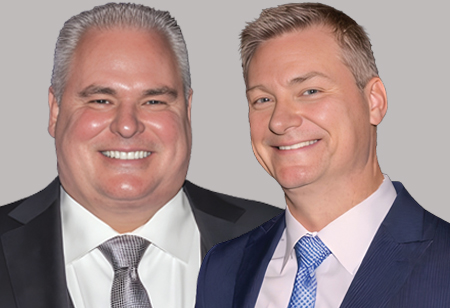
Erik A. Dowell, CEO and Founder, Adrian Bishop, President and Co-founder
Advanced medical devices for aesthetic treatments are often sold efficiently, but with little guidance. Clinics receive, at most, a four-hour training session, brochures, and perhaps a banner or two, and are then left to navigate the complexities of their new technology on their own.

Investing in Excellence: The Impact of Medical Aesthetics Equipment on Treatment Success

The medical aesthetics industry has experienced substantial growth during recent times because technological developments have enabled more people to access non-surgical cosmetic treatments. The increasing focus on appearance, together with the need for quick recovery, has made Botox injections, laser skin resurfacing and body contouring procedures popular among people.

Evaluating Medical Aesthetics Equipment for Clinical Impact and Practice Growth

Medical aesthetics practices face a decision environment that blends clinical responsibility, patient expectations and financial pressure. Devices promise smoother skin, hair restoration or body rejuvenation, yet long-term success depends on far more than technical specifications. Leaders responsible for acquiring medical aesthetics equipment increasingly judge technologies by how reliably they translate into consistent patient outcomes and sustainable practice economics.

Bridging Technology and Humanity in Telepharmacy
Dartmouth-Hitchcock
Bridging Technology and Humanity in Telepharmacy
Matt Maughan, Director of Telepharmacy

Key Experiences and Career Milestones

When I started my career, I had a very clear and simple goal: to make a difference. I understood then and still do now, that impact can happen in a workday, within a department, across a hospital, or through developing new ways to provide care.

Medical Aesthetics Equipment Info

Q1
What Do Medical Aesthetics Equipment Companies Provide to Clinics and Med Spas?
Medical aesthetics equipment companies develop and supply technologies used for noninvasive and minimally invasive cosmetic procedures. These systems are commonly used in dermatology clinics, plastic surgery practices and medical spas for treatments involving skin resurfacing, body contouring, pigmentation correction, hair restoration and scar revision. Top Medical Aesthetics Equipment providers often support devices with practitioner training, maintenance programs and software updates to help clinics improve treatment consistency and patient satisfaction. The category also includes laser platforms, radiofrequency systems, plasma technologies, microneedling devices and regenerative treatment equipment designed for aesthetic medicine environments.
Q2
What Solutions Are Included in Medical Aesthetics Equipment?
The Top Medical Aesthetics Equipment category includes a wide range of technologies designed for facial rejuvenation, skin tightening and aesthetic wellness treatments. Common solutions include fractional laser systems, radiofrequency microneedling devices, plasma resurfacing platforms and platelet-rich plasma processing technologies. Many medical aesthetics equipment companies also provide consumables, treatment accessories and patient-support products that work alongside in-office devices. Some providers focus on multifunction systems that allow clinics to perform multiple procedures from a single platform, helping practices improve space efficiency and treatment flexibility.
Q3
Why Is Demand Growing for Medical Aesthetic Devices?
Demand for Top Medical Aesthetics Equipment continues to rise as patients increasingly seek cosmetic treatments with shorter recovery periods and less procedural risk than surgery. Growth is also tied to expanding medical spa markets, broader awareness of skin health and increasing acceptance of aesthetic treatments across different age groups. Clinics are investing in technologies that can improve patient throughput while supporting treatment customization for different skin types and cosmetic concerns. Industry demand is also being shaped by competition among providers that want differentiated treatment offerings and newer energy-based platforms.
Q4
How Are Top Medical Aesthetics Equipment Providers Evaluated?
Top Medical Aesthetics Equipment companies are typically assessed on device reliability, treatment versatility, clinical support and long-term value for medical practices. Buyers often evaluate factors such as ease of use, training availability, maintenance requirements and consumable costs before investing in aesthetic technologies. Regulatory compliance, practitioner education and treatment safety records also influence purchasing decisions. Clinics may additionally consider whether a provider offers marketing support, workflow integration and ongoing technical assistance that can help maximize equipment utilization and patient retention. Discussions within the aesthetic medicine community also highlight concerns about resale value, recurring consumable fees and market saturation when evaluating equipment investments.
Q5
How Does Medical Aesthetics Equipment Create Value for Practices and Patients?
For clinics and medical spas, Top Medical Aesthetics Equipment can help expand treatment portfolios and generate recurring patient demand through minimally invasive cosmetic procedures. Efficient systems may reduce downtime between sessions, improve procedural precision and support faster treatment delivery. Patients often value technologies that offer visible cosmetic improvement with limited recovery time compared with surgical alternatives. Financially, practices evaluate equipment based on expected return on investment, treatment utilization rates and long-term service costs. Reliable medical aesthetics equipment services can also help reduce disruptions that affect appointment schedules and patient experience.
Q6
What Role Do Innovation and Clinical Expertise Play in Medical Aesthetics Equipment?
Innovation remains central to the Top Medical Aesthetics Equipment market because aesthetic providers frequently look for technologies that improve comfort, treatment customization and visible outcomes. Device manufacturers continue developing platforms that combine multiple energy modalities, regenerative therapies and software-driven treatment controls. Clinical expertise also plays a major role because treatment outcomes depend heavily on practitioner training and protocol selection. Many medical aesthetics equipment providers now pair technology sales with education programs, hands-on workshops and ongoing clinical guidance to help practices adopt new procedures responsibly and effectively.