


Thank you for Subscribing to Med Tech Business Review Weekly Brief
MedTech Business Review: Specials Magazine
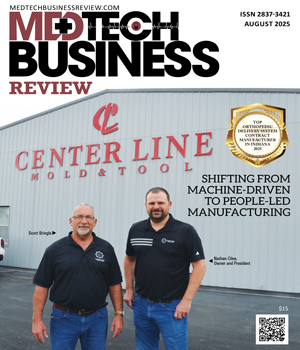
Good manufacturing is built on tolerances and timelines. Great manufacturing begins with knowing who it’s for. That’s the difference between Center Line Precision Technology (CLPTech) and other medical device contract manufacturers. Known for its expertise in orthopedic delivery systems, CLP-Tech brings a human-centered perspective to the process, designing components that not only perform with precision but also serve patients intuitively, reliably and meaningfully in real clinical settings. While advanced equipment is considered the gold standard in this field, CLP-Tech sees it as only part of the story. The real differentiator lies in how the company works—with deliberate curiosity, meaningful exchange and a deep respect for the product’s end purpose. Instead of simply accepting input and running with it, CLP-Tech makes space for conversation. It listens closely, challenges assumptions and co-develops solutions that consider what’s requested and what’s truly needed. This kind of partnership allows CLP-Tech to deliver more intuitive systems that can withstand the complexity of surgical environments. “We aim to deliver exactly what our customers need— even the critical enhancements they didn’t know to ask for but will immediately recognize in use,” says Nathan Cline, owner and president. “That’s not the standard mindset in this industry. But it’s ours.” Deep insight into OEM requirements defines CLP-Tech’s intelligent manufacturing. Every project is treated as a custom response, not a repeat exercise. The team draws from a toolkit of intelligent technologies—robotics for streamlined part handling, SolidWorks-based CAD modeling, high-precision CNC platforms and programming systems that allow dynamic optimization. These choices reflect how the company strips out waste, shortens timelines, and, more importantly, elevates quality without compromise. Where Quick Turnarounds Still Leave Room for Better Design Orders for orthopedic components rarely arrive with a lead time. These aren’t planned production runs or forecasted batches. They show up fast, tied to urgent timelines and high expectations and the moment an order hits, CLP-Tech moves. But manufacturing isn’t the first hurdle. The immediate challenge is sourcing. Medical-grade plastics like PPSU or polycarbonate can’t simply be pulled from stock. These materials must meet exacting surgical-use standards—biocompatibility, heat resistance and sterilization stability—and the right grade, certification and color must align before anything progresses.
Top Sleep Apnea Equipment Supplies Company 2025
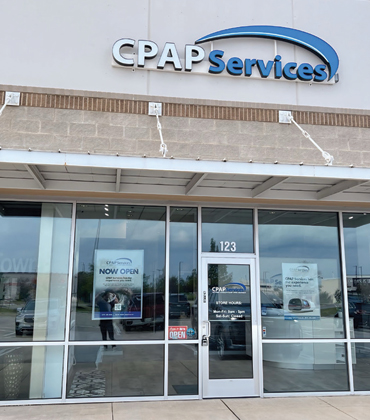
Millions of Americans live with sleep apnea—often unaware it’s the root cause of their exhaustion, brain fog, and restless nights. A diagnosis should bring relief and a clear path forward. But for many, what follows is a maze of insurance approvals, unclear documentation requirements, and inconsistent communication. Equipment deliveries are delayed, billing codes get rejected, and patients are often left chasing answers instead of beginning their treatment. CPAP Services was built to change that experience. By focusing exclusively on CPAP therapy and utilizing cutting-edge technology tools available in the industry, CPAP Services delivers precision, faster service, and better patient outcomes—advantages that general durable medical equipment (DME) providers often struggle to offer. This specialized focus allows the company to provide personalized, hands-on support from initial setup through long-term care. Patients receive help navigating insurance, selecting the right mask, and staying on track with treatment—all with fewer delays and more consistent service. And for referring physicians, that means fewer callbacks, fewer complaints, and stronger adherence to prescribed therapy. Founded in 2007 by its current President and CEO, Oscar Morales, CPAP Services has grown from a one-person operation in a San Jose sleep lab into a multi-location provider with offices in California and Texas. “At CPAP Services, we knew early on that to make a real impact, we had to specialize—and that focus has allowed us to offer true expertise in CPAP therapy, which is why both physicians and patients continue to trust us,” says Pablo Fonseca, COO of CPAP Services. A Patient Experience That Starts Locally and Stays Personal What sets the company apart is more than just its specialized product line—it’s the physical presence. While many providers in this space operate as remote offices or ship from warehouse services—leaving patients on their own when issues arise—CPAP Services ensures hands-on care and accessibility. At each of its retail-style locations, including San Jose, Capitola, Marina and Sacramento in California, and Fort Worth in Texas, patients can walk in and receive in-person support. They can try on different CPAP masks, pick up supplies, and ask questions face-to-face. Equally important is how the company handles insurance and billing. Its team is trained specifically in CPAP-related documentation and requirements, which ensures claims are submitted correctly and that patients avoid common billing issues like denials or delays. Physicians, in turn, benefit from fewer callbacks, reduced patient complaints, and better treatment adherence.
Top Medical Equipment Disposition Services 2025
Every day across the country, medical equipment sits idle, stashed in basements or lining the walls of storage rooms. These assets are outdated, unused, or simply no longer needed, yet few healthcare organizations have a clear, scalable process to remove them. The result: lost value, wasted space, and delayed reinvestment. reLink Medical is changing that. As the nation’s leading provider of equipment disposition and lifecycle services, reLink helps hospitals remove and repurpose surplus medical equipment with full compliance, transparency, and maximum return. The company combines white-glove logistics, proprietary technology, data-driven insights, and a robust multi-channel resale marketplace to make equipment disposition smarter, faster, and more valuable. “Disposition isn’t just about clearing out equipment— it’s about planning ahead, unlocking value, and making better decisions across the entire lifecycle,” says Jeff Dalton, president & CEO of reLink Medical. Traditionally, disposition has been reactive. Old assets piled up until space or compliance concerns forced action. Facilities lacked visibility, fair market value data, and operational support, leading to rushed trade-ins or missed resale opportunities. reLink flips that model, embedding disposition into hospitals’ broader capital planning and operational strategy. The process starts with reLink’s onsite logistics teams, who handle everything from packing to removal of assets ranging from infusion pumps to c-arms. All equipment is tracked in reLink360, a secure portal where customers can see what was removed, its final disposition (sold, recycled, or donated), and the value returned. Assets are transported to one of reLink’s five national processing centers—in Cleveland, Atlanta, St. Louis, Baltimore, and New Orleans—with Dallas and Orlando launching in 2025. There, the equipment is de-identified, sanitized, and triaged for resale, donation, or compliant recycling. The company’s marketplace intelligence platform ensures each asset is routed to the optimal sales channel—auctions, phone banks, or global buyers—helping hospitals maximize financial return while ensuring sustainability and regulatory compliance. With more than 15,000 pieces of equipment processed monthly, reLink brings unmatched scale, reach, and reliability to the healthcare market.
Contract Manufacturing Services

The Transformative Power Of Sound Therapy In Stress Management
Christopher McConnell, Orthopedic Residency Director, University of Rochester Medical Center
Medical Suppliers and Distributors

Optimizing Healthcare Procurement and Supply Chain Management
Cesar A. Roman, Director of Strategic Sourcing and Procurement Operations, University Health
Medical Suppliers and Distributors

Challenges of Adding International Nurses to Your Workforce
Greg Jamison, MSN, RN, Director of Nursing, UofL Health
Contract Manufacturing Services

Transforming N Brown: A Modern Tech Journey With A Heritage Backbone
Christopher Williamson, Group Director of Technology, N Brown Group
Contract Manufacturing Services

Navigating The Future Of Pharmacy
Amos Chery, Director of Pharmacy Operations and Regulatory Compliance, MedStar Health

IN MY OPINION
Contract Manufacturing Services
Anchoring Quality Care With Collaboration
Amber Howard, Director of Corporate Risk Management, Infirmary Health

LAST WORD
Contract Manufacturing Services
Technology's Role in Enhancing Patient Safety: Real-Time Monitoring, Error Reduction, and Decision-Making
Betsy Reed, Director of Patient Safety, Good Samaritan Hospital
IN FOCUS
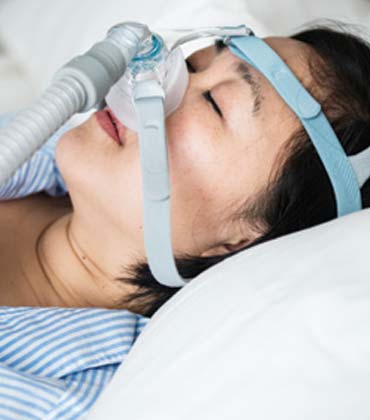
Shaping the Future of Sleep Health: Sleep Apnea Equipment Supplies Companies
The sleep apnea equipment market is growing due to rising prevalence, technological innovations, and increased awareness. The market focuses on patient-centered care, remote monitoring, and improved accessibility for better health outcomes.

Innovations in the Orthopedic Delivery System: Advancing Patient Care and Accessibility
The orthopedic manufacturing sector is evolving with technology, customization, and advanced materials to address regulatory challenges and supply chain vulnerabilities while meeting the demand for personalized healthcare solutions.
EDITORIAL
Optimizing Medical Delivery
In the rapidly advancing healthcare sector, innovation and efficiency are key to improving patient outcomes and reducing healthcare costs.
Sleep Apnea Equipment Supplies are at the forefront of improving quality of life for millions suffering from this common but often undiagnosed condition. Devices like CPAP machines, oxygen concentrators, and masks play an essential role in treating obstructive sleep apnea (OSA). As the prevalence of sleep apnea rises, especially with the increase in lifestyle-related conditions such as obesity, the demand for innovative equipment is growing. Companies in this sector are leveraging smart technologies, like integrated sensors and mobile connectivity, to improve patient adherence and enable remote monitoring, making it easier for healthcare providers to manage the condition proactively.
In parallel, the need for Medical Equipment Disposition Services is growing, particularly as hospitals and clinics face challenges in managing outdated or obsolete equipment. The proper disposition of medical equipment is essential not only for compliance with environmental regulations but also for ensuring that valuable resources are not wasted. Through certified recycling and responsible reselling, medical equipment disposition services allow healthcare facilities to reclaim value from their used assets, supporting sustainability goals and reducing unnecessary waste. These services are crucial for improving operational efficiency while maintaining safety and regulatory compliance.
Meanwhile, the Orthopedic Delivery System Contract Manufacturer industry is evolving to meet the growing demand for customized, high-quality orthopedic devices. From joint replacements to rehabilitation aids, contract manufacturers are increasingly focused on creating tailored solutions that fit both the clinical needs of healthcare providers and the personalized requirements of patients. Leveraging advancements in materials science, 3D printing, and robotics, orthopedic contract manufacturers are enhancing precision and reducing lead times, ensuring that patients receive the most effective and personalized care possible.
Together, these industries illustrate how the medical equipment sector is evolving—fostering innovation, efficiency, and sustainability to meet the demands of a rapidly changing healthcare landscape.
Our cover feature is Center Line Precision Technology, which specializes in advanced cable assembly and interconnect solutions for mission-critical applications. With deep expertise in RF, microwave, and fiber optics, CLP serves industries from aerospace to telecommunications. Their commitment to precision engineering and innovation ensures reliable performance in the most demanding environments.
The edition also features thought leadership pieces from Ryan Garland MHA, AVP- South Region Radiology & Respiratory at Edward-Elmhurst Health, Betsy Reed, Director of Patient Safety, at Good Samaritan Hospital.
